Melrose Embroidery Font: A Versatile Design Tool
Choosing the right typography for machine embroidery can be surprisingly challenging. Unlike digital screens, fabric has texture, stretch, and limitations regarding stitch density. This is where the Melrose Embroidery Font steps in as a reliable solution for creators who refuse to compromise on aesthetics or technical performance. Whether you are digitizing your own designs or looking for ready-to-stitch files, understanding the nuances of this typeface can significantly elevate the quality of your finished products.
The Melrose Embroidery Font is not just another addition to a crowded marketplace; it is a carefully crafted resource designed to bridge the gap between elegant script styling and the practical requirements of modern embroidery machines. For PES users and professionals working with various other formats, this font offers a blend of timeless appeal and functional versatility that makes it a staple for both hobbyists and commercial enterprises.
Understanding the Design Philosophy
At its core, the Melrose Embroidery Font was developed with an awareness of how thread interacts with fabric. Many decorative fonts look stunning on a computer screen but fail when stitched out, resulting in tangled bobbins, puckered fabric, or illegible lettering. Melrose avoids these common pitfalls by balancing visual flair with structural integrity.
The design features clean lines and consistent spacing, which are critical for maintaining readability at smaller sizes. Yet, it retains enough character to stand out in larger applications. This duality makes it an excellent choice for projects ranging from personalized baby onesies to sophisticated corporate branding on polo shirts. The font’s ability to remain legible while offering a touch of sophistication is its primary strength, allowing users to add a professional finish to their work without needing advanced digitizing skills.
Key Characteristics and Technical Strengths
When evaluating any embroidery asset, technical specifications matter just as much as visual appeal. The Melrose Embroidery Font shines in several key areas that directly impact the user experience and the final output quality.
- Multi-Format Compatibility: One of the most significant advantages is its broad compatibility. The download includes multiple embroidery file formats, ensuring that whether you use Brother, Janome, Husqvarna, or other major brands, the files will integrate seamlessly into your workflow. This eliminates the need for costly conversion software or risky online converters that often distort stitch paths.
- Optimized Stitch Density: The font is engineered to prevent excessive bulk. High-density stitching can make garments stiff and uncomfortable, particularly on lightweight fabrics like silk or fine cotton. Melrose maintains a balanced stitch count that provides coverage and durability without weighing down the material.
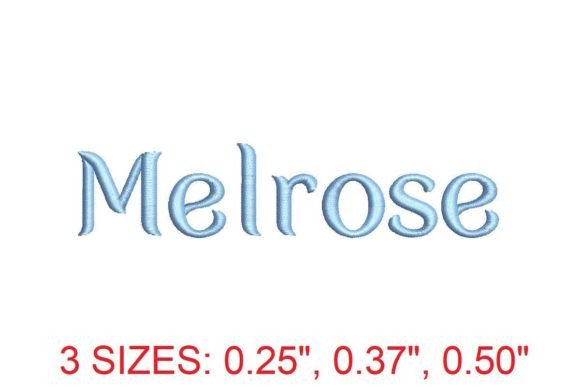
- Comprehensive Size Range: Creativity should not be limited by size constraints. This font set includes a wide variety of heights, allowing for precise customization. It is important to note that the sizes and stitches information typically provided in summaries refer to specific characters, such as 'A' and 'a', as a baseline. For detailed dimensions of all 156 letters in the set, users should refer to the included "More Sewing Info" PDF. This level of transparency helps planners estimate hoop sizes and thread usage accurately before starting a project.
Practical Applications Across Industries
The versatility of the Melrose Embroidery Font extends far beyond personal crafting. Its professional appearance makes it suitable for a wide array of commercial and educational applications.
Branding and Corporate Identity
For small business owners and marketers, consistent branding is crucial. Embroidered logos and text on uniforms, caps, and tote bags serve as mobile advertisements. Melrose offers a polished look that enhances brand perception. Imagine a boutique coffee shop using this font for embroidered aprons or a tech startup adding subtle, stylish initials to employee jackets. The font’s clarity ensures that company names and slogans are easily readable, reinforcing brand recognition.
Personalized Gifts and Retail
In the realm of custom gifts, personalization adds emotional value. From wedding monograms on handkerchiefs to names on children’s backpacks, the Melrose Embroidery Font allows creators to offer high-end customization. Etsy sellers and boutique owners can leverage this font to create unique product lines that stand out in a saturated market. The timeless style appeals to a broad demographic, reducing the risk of trends becoming outdated quickly.
Educational and Community Projects
Educators and community leaders often use embroidery for team building or school spirit wear. The font’s legibility makes it ideal for club names, graduation years, or motivational quotes on sweatshirts and banners. Its ease of use means that even those new to embroidery can achieve professional-looking results, fostering confidence and engagement in creative workshops.
Maximizing Efficiency and User Experience
Time is a valuable resource for any creator. The Melrose Embroidery Font is designed to streamline the production process. Because the files are pre-digitized and tested, users save hours that would otherwise be spent troubleshooting stitch errors or adjusting tension settings. This efficiency translates directly into higher productivity and profitability for commercial users.
Furthermore, the consistent quality of the font reduces material waste. Failed embroidery attempts cost money in threads, stabilizers, and fabric. By relying on a proven design like Melrose, users can minimize errors and ensure that every stitch counts. This reliability is particularly beneficial for freelancers and entrepreneurs who operate on tight margins and strict deadlines.
Considerations for Implementation
While the Melrose Embroidery Font is robust, successful implementation requires attention to detail. Here are a few practical recommendations to ensure the best results:
- Hooping and Stabilization: Always use appropriate stabilizers for your fabric type. Even the best font cannot compensate for poor hooping technique. For stretchy fabrics, consider using cut-away stabilizer to maintain shape over time.
- Thread Selection: The font’s design works well with standard rayon or polyester threads. However, experimenting with metallic or variegated threads can add depth and interest, provided your machine handles them well. Test on scrap fabric first to check for shredding or tension issues.
- Size Verification: As mentioned earlier, always consult the full dimension details in the provided PDF. Do not rely solely on summary data for complex layouts. Ensuring the text fits within your hoop size before stitching prevents mid-project frustrations.
- Fabric Testing: Different fabrics react differently to embroidery. Always run a test stitch-out on the actual material you plan to use. This allows you to adjust tension and density if necessary, ensuring the final product meets your quality standards.
Final Thoughts on Elevating Your Craft
The Melrose Embroidery Font represents more than just a collection of letters; it is a tool for creative expression and professional growth. By combining aesthetic elegance with technical precision, it empowers users to produce high-quality embroidery with confidence. Whether you are enhancing your brand’s visibility, creating heartfelt gifts, or exploring new creative avenues, this font provides the reliability and style needed to succeed.
Integrating such a versatile resource into your library can transform your approach to embroidery. It invites you to experiment, refine, and ultimately, master the art of stitched typography. Let Melrose enhance your embroidery masterpiece, making every project a testament to your skill and attention to detail.