Choosing the Right Script: A Practical Guide to Requited Script Embroidery Font
In the world of machine embroidery, typography is not merely about legibility; it is about texture, flow, and emotional resonance. Among the myriad of digital typefaces available for stitchers, Requited Script Embroidery Font stands out as a specialized tool designed to bridge the gap between handwritten elegance and mechanical precision. For hobbyists and professional embroiderers alike, selecting the right font can determine the success of a project, influencing everything from fabric compatibility to final aesthetic appeal. This guide explores the distinct characteristics of this script, helping you evaluate whether it aligns with your creative needs and technical constraints.
Understanding the Aesthetic and Technical Profile
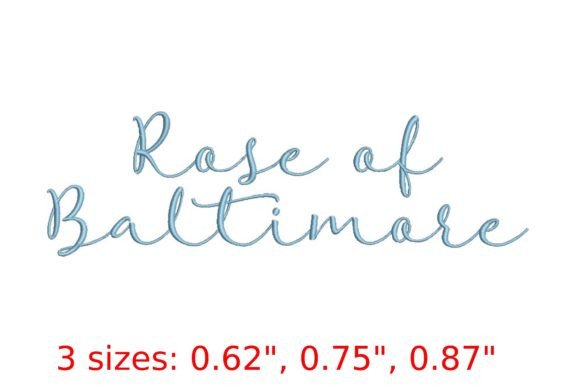
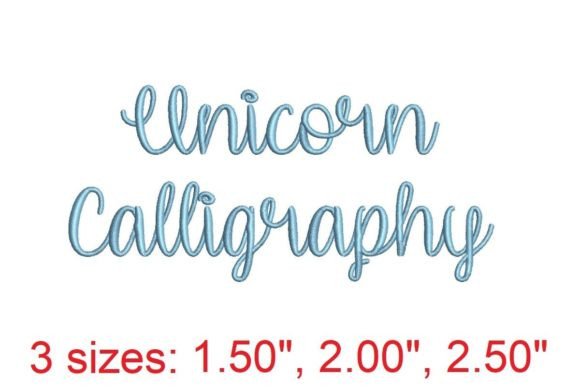
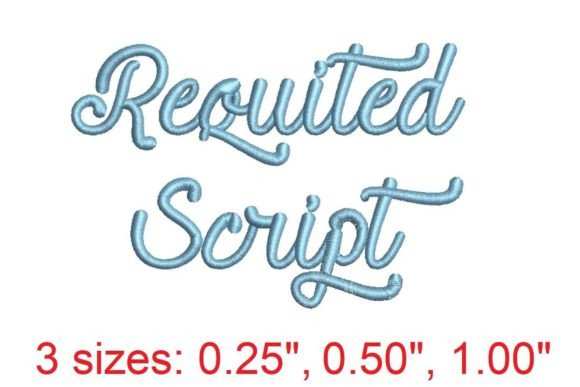
At its core, Requited Script is crafted to infuse designs with a sense of romance and timeless beauty. Unlike block fonts or rigid sans-serifs, this typeface features flowing connections and intricate loops that mimic the natural movement of a calligraphy pen. The primary distinction lies in its ability to maintain structural integrity while delivering a soft, organic look. When digitized for embroidery, these curves are translated into stitch paths that must balance density with flexibility.
The font is particularly effective for projects where sophistication is paramount. Whether adorning high-end garments, creating personalized wedding gifts, or embellishing home textiles, the script imparts a graceful flair. However, understanding its technical profile is crucial before committing to a design. The digitization process for such intricate scripts requires careful attention to underlay stitches and pull compensation to prevent distortion. Users should note that the visual complexity of Requited Script Embroidery Font means it performs best on stable fabrics that can support the density of the satin stitches used in its construction.
Comparing Script Styles: When to Choose Elegance Over Simplicity
When evaluating embroidery fonts, it is helpful to categorize them by their intended use and complexity. Requited Script falls firmly into the "decorative display" category. To make an informed decision, consider how it compares to other common font styles:
- Block and Sans-Serif Fonts: These are ideal for high-readability applications, such as sports jerseys or corporate logos. They are generally faster to stitch and more durable through repeated washing. If your priority is utility and speed, a simple block font may be a better fit than a complex script.
- Monogram Scripts: While similar in elegance, traditional monogram scripts often feature exaggerated initials and less connectivity between letters. Requited Script offers a more continuous, sentence-friendly flow, making it superior for phrases, quotes, or full names rather than just initials.
- Handwritten Casual Fonts: These mimic quick, informal handwriting. They are charming but lack the formal refinement of Requited Script Embroidery Font. If your project demands a touch of formality or romanticism, the casual style may appear too relaxed.
The choice ultimately depends on the message you wish to convey. For artistic expressions of embroidery that evoke romance, Requited provides a nuanced balance that simpler fonts cannot achieve. However, this comes with tradeoffs in terms of stitching time and fabric requirements.
Evaluating Fit: Best-Use Cases and Limitations
No single font is universally perfect. Understanding the specific strengths and limitations of Requited Script Embroidery Font allows you to deploy it effectively. Here are practical scenarios where this font excels, along with situations where alternative options might be preferable.
Ideal Applications
- Wedding and Anniversary Gifts: The romantic essence of the font makes it a natural choice for veils, table runners, or personalized handkerchiefs. The intricate motifs enhance the sentimental value of the item.
- Luxury Garments: When adding subtle branding or personalization to blouses, dresses, or jackets, the sophisticated flair of this script complements high-quality fabrics like silk, satin, or fine cotton.
- Home Decor Accents: Pillowcases, towel hems, and wall hangings benefit from the artistic expression this font offers, transforming ordinary textiles into focal points.
Technical Considerations and Tradeoffs
While visually stunning, intricate scripts require more from both the machine and the operator. The dense stitch count necessary to define the thin lines and curves of Requited Script can lead to puckering if the stabilizer is insufficient. Additionally, smaller sizes may lose definition, as the connecting threads between letters can become too fine to stitch reliably or may break easily during wear.
It is important to review the size and stitch information provided in the download file. Typically, these details are summarized using standard characters like "A" and "a" to give users a baseline expectation. For comprehensive planning, always refer to the full dimension details, such as those found in a "More Sewing Info" PDF, to ensure the design fits your specific hoop size and fabric area. Ignoring these dimensions can result in wasted materials and frustration.
Compatibility and File Formats
One of the practical advantages of modern embroidery fonts, including Requited Script Embroidery Font, is versatility in file formats. Most professional downloads include multiple formats to ensure compatibility with various embroidery machines. Common formats include PES (Brother/Baby Lock), DST (Tajima/Industrial), EXP (Melco/Bernina), and JEF (Janome).
Before purchasing or downloading, verify that your specific machine model supports the provided formats. While most contemporary home machines read PES and JEF files effortlessly, older or industrial models may require DST or EXP. The availability of multiple formats reduces the need for third-party conversion software, which can sometimes alter stitch quality or density. This multi-format approach ensures that the font can be used across a wide range of equipment, making it a flexible resource for studios with diverse machine setups.
Decision Factors: Is This Font Right for Your Project?
To determine if Requited Script is the optimal choice for your current project, consider the following decision matrix:
- Design Intent: Are you aiming for romance, elegance, and sophistication? If yes, this font is a strong candidate. If you need boldness or minimalism, look elsewhere.
- Fabric Stability: Do you have access to appropriate stabilizers? Intricate scripts require firm support to prevent distortion. If you are working with stretchy or unstable fabrics without experience in heavy stabilization, a simpler font might yield better results.
- Size Constraints: Will the text be large enough to retain detail? Small-scale applications may obscure the intricate connections of the script. Ensure the minimum recommended size aligns with your design layout.
- Time Budget: Complex scripts take longer to stitch due to higher stitch counts and frequent color changes or trims. If you are producing items in bulk with tight deadlines, factor in the additional machine time required.
Maximizing Results with Proper Technique
Even the best-designed font requires proper execution. To get the most out of Requited Script Embroidery Font, adhere to best practices in embroidery preparation. Always hoop your fabric tightly and use a cut-away stabilizer for garments that will be washed frequently, as it provides ongoing support. For decorative items, a tear-away stabilizer may suffice, but test first to ensure the delicate stitches do not pull out.
Additionally, consider the thread choice. High-sheen rayon or polyester threads enhance the luxurious appearance of the script, reflecting light off the satin stitches and emphasizing the curves. Matte cotton threads, while durable, may flatten the visual impact of the design. Experimenting with thread types on scrap fabric before committing to the final piece can save time and materials.
In conclusion, Requited Script Embroidery Font is a powerful tool for those seeking to elevate their embroidery projects with a touch of refined elegance. By understanding its aesthetic strengths, technical requirements, and ideal use cases, you can make informed decisions that enhance your creative output. Whether you are crafting personalized gifts or designing professional textiles, this font offers a pathway to artistic expression, provided it is matched with the right materials and techniques. Start stitching elegance today, but always plan with precision to ensure your final product reflects the timeless beauty inherent in the design.