College Outline Embroidery Font: A Practical Guide for Digitizers and Makers
The aesthetic of collegiate athletics has long influenced fashion, interior design, and personalized merchandise. At the heart of this visual style is bold, block-style lettering that conveys strength and tradition. For embroidery enthusiasts and professional digitizers, replicating this look requires specific tools. The College Outline Embroidery Font offers a specialized solution for creating this classic varsity appearance. By understanding the technical specifications, compatibility, and design characteristics of this font, makers can determine if it aligns with their project goals and machine capabilities.
Understanding the Design Aesthetic
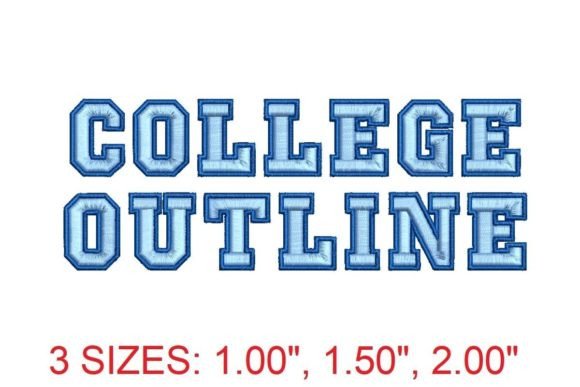
The College Outline Embroidery Font is characterized by its modern outline design. Unlike solid fill fonts, which saturate the fabric with thread, an outline font creates the shape of the letters using a perimeter stitch. This results in a lighter, more airy look that is both stylish and eye-catching. The "college" designation refers to the specific proportions of the letters, which mimic the typefaces traditionally found on university sweatshirts, letterman jackets, and sports jerseys.
This font is particularly effective for those seeking to add a cool edge to their designs without the heaviness associated with large, solid satin-stitch letters. The outline technique allows the background fabric or underlying garment color to show through the center of the letters, creating a natural contrast. This makes it an excellent choice for adding a collegiate touch to projects where subtlety and modern flair are preferred over traditional bulk.
Technical Compatibility and File Formats
One of the primary considerations when selecting any digital embroidery asset is file compatibility. The College Outline Embroidery Font is designed to integrate seamlessly with the widely used PES file format. PES is the native format for Brother and Baby Lock machines, which represent a significant portion of the home and small-business embroidery market. However, versatility is key for many users. This machine embroidery design typically comes with multiple embroidery file formats, ensuring it can be used with various other brands and software platforms.
Before purchasing or downloading, it is crucial to verify that your specific machine model supports the provided file types. While PES is standard, users of Janome, Husqvarna, or Bernina machines may need to convert files or ensure that alternative formats (such as JEF, VP3, or DST) are included in the download package. The availability of multiple formats reduces the need for third-party conversion software, which can sometimes alter stitch density or pathing.
Evaluating Size and Stitch Density
When working with outline fonts, understanding the relationship between size and stitch count is essential for quality control. The sizes and stitches information provided in product descriptions usually refer to a standard character, such as the letter “A,” in each available size. This data serves as a summary of what is available in the download file. For instance, a smaller size will naturally have fewer stitches, while a larger size will require more thread and time.
It is important to note that outline fonts behave differently than filled fonts regarding stability. Because there is less thread coverage, the fabric's texture plays a more visible role in the final outcome. For larger sizes, users must ensure that their stabilizer choice is appropriate to prevent puckering or distortion, even though the stitch count is lower than that of a solid font. For full dimension details of the letters and other punctuation in the set, referring to the specific "More Sewing Info PDF" provided by the vendor is recommended. This document offers precise measurements that help in planning layout and spacing on garments.
Ideal Use Cases
The College Outline Embroidery Font is a strong fit for several specific applications. Its primary strength lies in personalizing sports apparel and creating team merchandise. The varsity look is instantly recognizable and appeals to schools, clubs, and recreational leagues. Additionally, this font is suitable for:
- Casual Wear: Adding names or initials to hoodies, t-shirts, and caps where a lightweight feel is desired.
- Home Decor: Creating monograms for towels or pillows where a solid fill might feel too heavy or stiff.
- Layered Designs: Using the outline as a base for appliqué, where the stitch line secures a piece of fabric cut into the shape of the letter.
In these scenarios, the font helps achieve that classic varsity look while maintaining comfort and flexibility in the finished product. It is particularly useful for items that will be worn frequently and washed often, as the reduced thread mass can sometimes lead to better durability and less stiffness.
Considerations and Tradeoffs
While the College Outline Embroidery Font offers distinct advantages, it is not universally suitable for every project. Makers should consider the following tradeoffs:
- Visibility on Busy Fabrics: Because the center of the letters is empty, the font may lose legibility if stitched onto fabrics with busy patterns or high-texture weaves. It performs best on solid-colored, smooth materials.
- Stitch Definition: Outline fonts rely heavily on precise stitch placement. If the machine tension is off or the hoop slip occurs, the imperfections are more noticeable than in dense, filled designs.
- Complexity of Small Text: Very small sizes may lack detail. The outline technique requires a minimum width to maintain clarity. Users should test sample sizes to determine the smallest readable dimension for their specific thread and needle combination.
Furthermore, those looking for a traditional, heavy, three-dimensional look might find outline fonts too subtle. In such cases, a satin-stitch or tatami-fill font would be a more appropriate alternative. The decision ultimately depends on the desired aesthetic weight and the functional requirements of the item being created.
Making the Decision
To determine if the College Outline Embroidery Font aligns with your needs, evaluate your current project pipeline. If you frequently produce items for sports teams, school events, or customers who prefer a modern, understated aesthetic, this font is a valuable addition to your library. Its compatibility with popular machines like Brother and Babylock simplifies the workflow for many home-based businesses.
However, if your primary focus is on high-density, luxurious monograms for formal wear, or if you work predominantly with highly textured fabrics, you may need to supplement this font with other styles. Always review the provided stitch counts and dimensions to ensure they match your hooping capabilities and production timelines. By balancing the visual appeal of the collegiate style with the practical realities of embroidery mechanics, you can elevate your embroidery game with designs that are both stylish and technically sound.
For those ready to expand their design options, exploring the College Outline Embroidery Font offers a pathway to achieving professional-looking varsity aesthetics. Whether you are personalizing a single gift or producing a batch of team uniforms, understanding the nuances of this tool ensures that your final creations meet both visual and functional expectations.