Mastering Personalization: A Comprehensive Guide to the Kelvingrove Embroidery Font
In the evolving landscape of textile arts and digital crafting, the bridge between traditional needlework and modern technology has never been stronger. At the heart of this fusion lies the machine embroidery font—a digital tool that transforms simple thread into personalized statements. Among the myriad options available to crafters today, the Kelvingrove embroidery font stands out as a premier choice for those seeking impeccable stitching designs. Whether you are a novice looking to add a personal touch to a gift or an experienced embroiderer aiming to elevate your professional portfolio, understanding the nuances of this versatile typeface can unlock endless creative possibilities.
What Is the Kelvingrove Embroidery Font?
The Kelvingrove embroidery font is more than just a collection of letters; it is a carefully engineered set of digitized designs intended for use with computerized embroidery machines. Unlike standard computer fonts that are rendered in pixels or vectors for screens and printers, embroidery fonts consist of stitch paths. These paths dictate exactly how the needle moves, where the thread lays, and how the design maintains structural integrity on various fabrics.
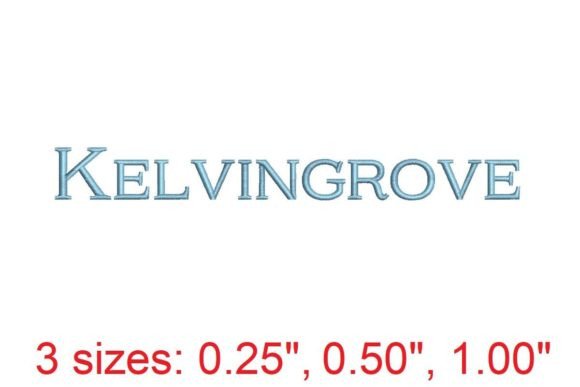
Kelvingrove offers a versatile range of characters, allowing you to personalize your embroidery projects with finesse. The design philosophy behind Kelvingrove focuses on clarity and elegance. It strikes a balance between decorative flair and readability, making it suitable for a wide array of applications. From monograms on high-end linens to intricate lettering on casual apparel, this font delivers outstanding results by ensuring that each stitch contributes to a cohesive and polished final product.
The Significance of Digitization in Modern Embroidery
To fully appreciate the value of the Kelvingrove font, one must understand the role of digitization. In the past, creating custom lettering required manual hooping and significant skill in free-motion embroidery. Today, digitized fonts allow for precision and repeatability. However, not all digitized fonts are created equal. Poorly digitized fonts can result in thread breaks, fabric puckering, or illegible text. Kelvingrove addresses these common pain points by providing optimized stitch counts and secure underlay structures, ensuring that the design remains stable regardless of the fabric type.
Practical Applications in Daily Life and Business
The utility of the Kelvingrove embroidery font extends far beyond hobbyist circles. Its adaptability makes it a valuable asset in various sectors, including small business operations, educational projects, and home decor.
- Personalized Gifting: Imagine monogramming towels, robes, or baby blankets. The clean lines of Kelvingrove ensure that names and initials look sophisticated rather than cluttered.
- Small Business Branding: For entrepreneurs running Etsy shops or local boutiques, offering custom embroidery services can significantly increase revenue. Using a reliable font like Kelvingrove allows for quick turnaround times without sacrificing quality.
- Educational Tools: In sewing classes, instructors often need clear, legible fonts to teach students about hoop placement and tension. Kelvingrove’s consistent sizing makes it an excellent teaching aid.
- Home Decor: From pillowcases to wall hangings, incorporating text into home decor adds a narrative element. The font’s versatility allows it to complement both modern minimalist and traditional rustic styles.
Understanding Technical Specifications and File Formats
One of the most critical aspects of using any machine embroidery design is compatibility. The Kelvingrove machine embroidery design comes with multiple embroidery file formats and can be used with multiple embroidery machines. This inclusivity is vital because different brands—such as Brother, Janome, Husqvarna, and Bernina—often require specific file extensions to read the stitch data correctly.
When downloading the Kelvingrove package, users are provided with a comprehensive suite of files. This ensures that whether you are using an older model or the latest high-speed commercial machine, you can import the design seamlessly. This multi-format support eliminates the need for third-party conversion software, which can sometimes distort stitch patterns or alter density.
Interpreting Size and Stitch Information
For beginners, interpreting technical data can be daunting. It is essential to note that the sizes and stitches information shown in product descriptions is typically for the letters A and a in each size. This is provided as a summary of what is available in this download file. Why use "A" and "a"? These characters represent the maximum height and complexity for uppercase and lowercase letters, respectively. They serve as a benchmark for estimating thread usage and hoop space.
However, it is crucial to remember that not all letters are created equal. An "I" will naturally have fewer stitches and a narrower width than a "W." Therefore, relying solely on the summary data for every character can lead to miscalculations in centering and spacing. For the full dimension details of the letters in this set, click on the More Sewing Info PDF button on this page. This document provides granular data for every character, enabling precise planning for complex words or phrases.
Common Misunderstandings About Embroidery Fonts
Despite the advancements in technology, several misconceptions persist among new embroiderers. Addressing these can help users achieve better results with the Kelvingrove font.
- Misconception: Any Font Can Be Embroidered.
Many assume that a font they see on a word processor can simply be sent to an embroidery machine. In reality, embroidery requires specialized digitizing to account for thread pull and fabric stretch. Kelvingrove is pre-digitized to handle these physical constraints.
- Misconception: Larger Is Always Better.
While larger designs are impressive, they require more stabilizer and time. Sometimes, a smaller, well-executed Kelvingrove monogram looks more elegant and professional than a large, poorly stabilized logo.
- Misconception: Thread Color Doesn't Matter.
The visual impact of Kelvingrove depends heavily on thread choice. High-contrast threads highlight the intricate lettering, while tonal threads offer a subtle, textured look. Understanding this interplay is key to mastering the design.
Tips for Elevating Your Embroidery Game
To truly unlock the potential of the Kelvingrove embroidery font, consider the following best practices. These tips will help you move from basic execution to exceptional craftsmanship.
1. Stabilization is Key
Even the best font cannot compensate for poor stabilization. Always use the appropriate stabilizer for your fabric. For lightweight fabrics, a cut-away stabilizer provides lasting support, while tear-away stabilizers work well for heavier materials like denim or canvas.
2. Test Before You Commit
Before stitching your final project, always run a test on a scrap piece of the same fabric. This allows you to check tension, alignment, and thread color compatibility. It saves time and materials in the long run.
3. Mind the Hoop Placement
Centering is crucial for monograms and single-letter designs. Use the measurement tools in your embroidery software or the physical markings on your hoop to ensure the Kelvingrove design is perfectly aligned.
4. Experiment with Thread Types
While polyester thread is standard for its durability, experimenting with rayon can add a luxurious sheen to the Kelvingrove letters. Metallic threads can also be used for accent stitches, though they may require slower machine speeds.
Conclusion: Unlocking Creative Possibilities
The Kelvingrove embroidery font represents a intersection of tradition and technology, offering crafters a reliable tool for personalization. By understanding its technical specifications, respecting the nuances of digitization, and applying best practices in stabilization and thread selection, you can elevate your embroidery game significantly. Whether you are creating heirloom pieces for family or building a brand identity for your business, Kelvingrove provides the foundation for impeccable stitching designs.
As you continue your journey in machine embroidery, remember that mastery comes from practice and attention to detail. Utilize the resources provided, such as the detailed PDF dimensions, and do not hesitate to experiment. With Kelvingrove, you are not just stitching letters; you are weaving stories, identities, and creativity into every thread. Embrace the versatility, respect the craft, and let your imagination guide your needle.